
Buying guide
Bean-to-Cup vs Espresso Machines: Which Is Best for You?
Both can make delicious coffee from freshly ground beans. The difference is convenience, control, cleaning and cost.
17 October 2026 · 11 min read
Choosing between a bean-to-cup coffee machine and a traditional espresso machine can make a big difference to your daily coffee routine. Both can produce delicious coffee from freshly ground beans, but they offer very different experiences when it comes to convenience, control, cleaning and cost.
A bean-to-cup machine automates much of the process, from grinding your beans to brewing your coffee. A traditional manual espresso machine gives you greater control over the brewing process, but it requires more time, practice and equipment.
So, which is best for your kitchen?
In this guide, we explain the key differences between bean-to-cup and espresso machines, compare their advantages and disadvantages, and help you decide which type best suits your budget, coffee preferences and lifestyle.
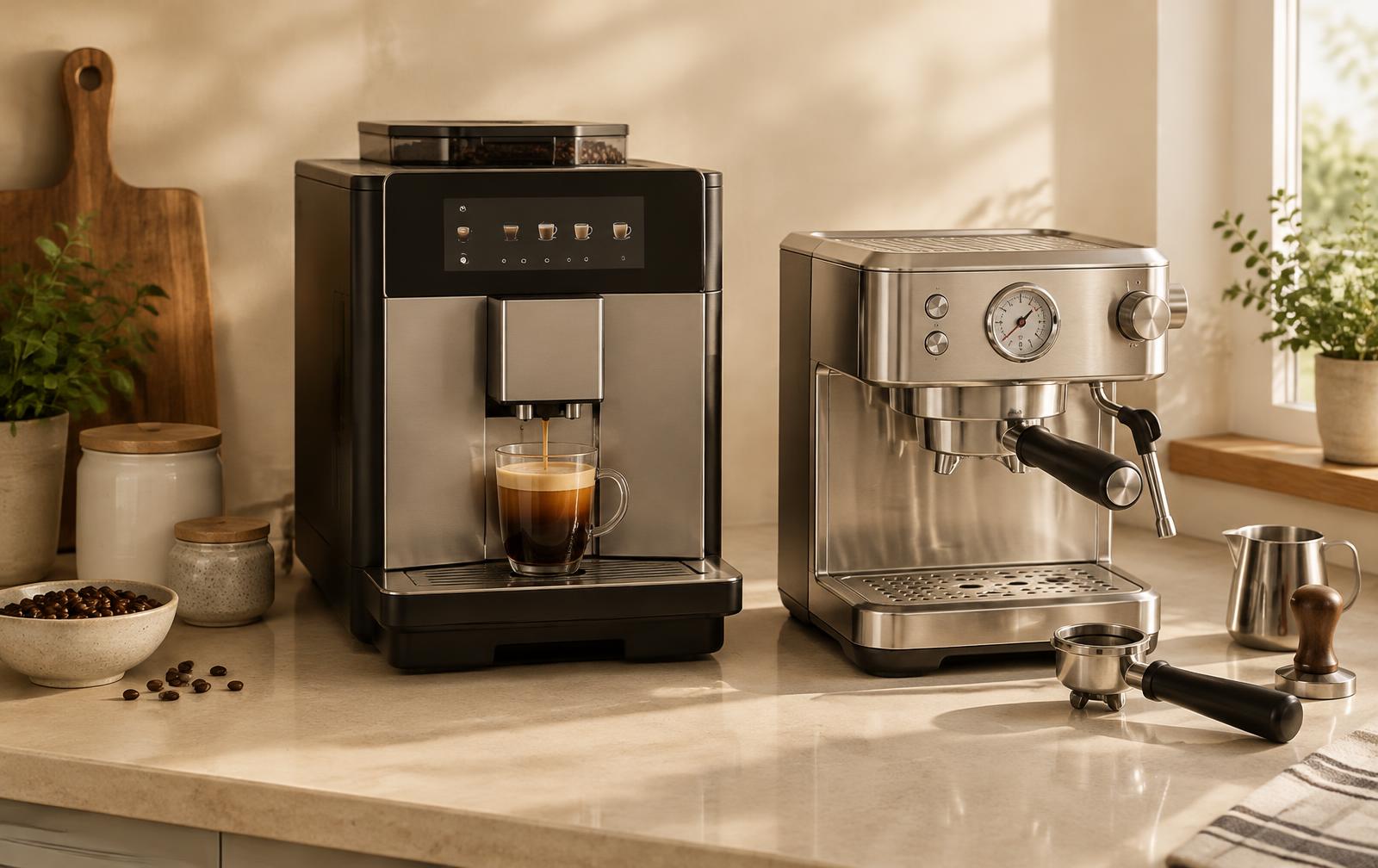
What Is the Difference Between a Bean-to-Cup and an Espresso Machine?
The main difference is how much of the coffee-making process the machine handles for you.
A bean-to-cup coffee machine typically has an integrated grinder and an automated brewing system. You add whole coffee beans and water, select your drink and let the machine do the work. Depending on the model, it may also prepare milk automatically.
A manual espresso machine usually requires you to grind your coffee separately or use a model with an integrated grinder. You prepare the coffee grounds in a portafilter, tamp them, lock the portafilter into the machine and start the extraction. If you want a latte or cappuccino, you will normally texture the milk separately using a steam wand.
It is worth noting that bean-to-cup machines are also espresso machines in the technical sense: many use pressure to extract espresso-style coffee. In everyday shopping terminology, however, “espresso machine” often refers to a manual or semi-automatic machine that gives you more hands-on control.
1. Convenience: Which Machine Is Easier to Use?
If you want good coffee with minimal effort, a bean-to-cup machine is usually the better choice.
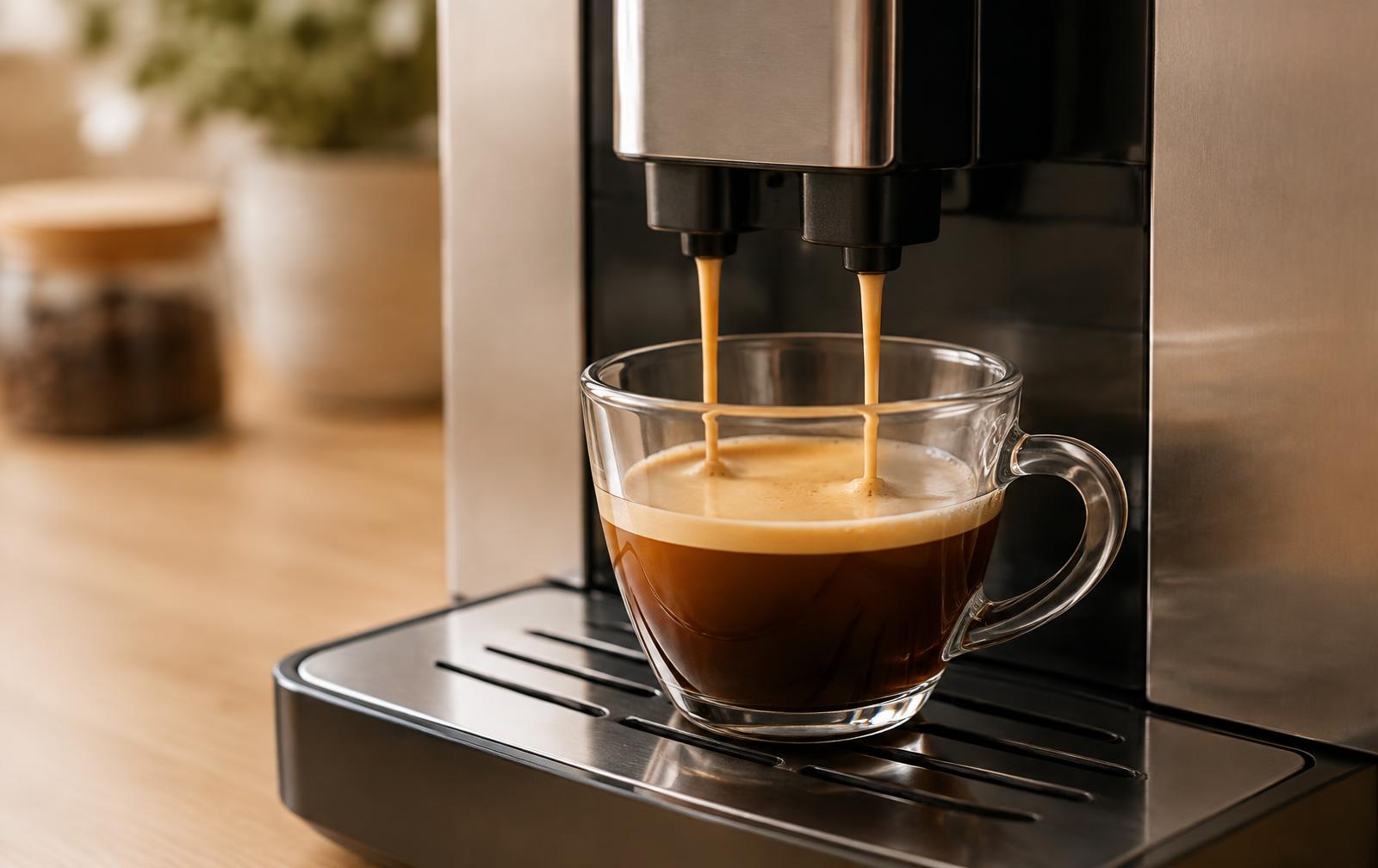
Bean-to-cup machines
Most models automate grinding, dosing and extraction. Depending on the machine, you may be able to save your preferred drink settings, adjust coffee strength and choose from espresso, coffee and other drinks at the touch of a button.
Models with automatic milk systems can also prepare cappuccinos and lattes with little manual involvement.
This makes bean-to-cup machines particularly suitable for busy mornings, households with different coffee preferences and anyone who wants freshly ground coffee without learning barista techniques.
Manual espresso machines
Manual espresso machines require more involvement. You may need to weigh or measure your beans, grind them to the right consistency, distribute and tamp the grounds, and adjust the extraction.
Small changes can affect the result. That may sound like extra work, but it is also part of the appeal for people who enjoy learning and refining their coffee-making skills.
Best for convenience: Bean-to-cup machines.
Best for a hands-on coffee ritual: Manual espresso machines.
2. Coffee Quality and Taste
Both types of machine can make excellent coffee. Neither automatically guarantees a better-tasting cup.
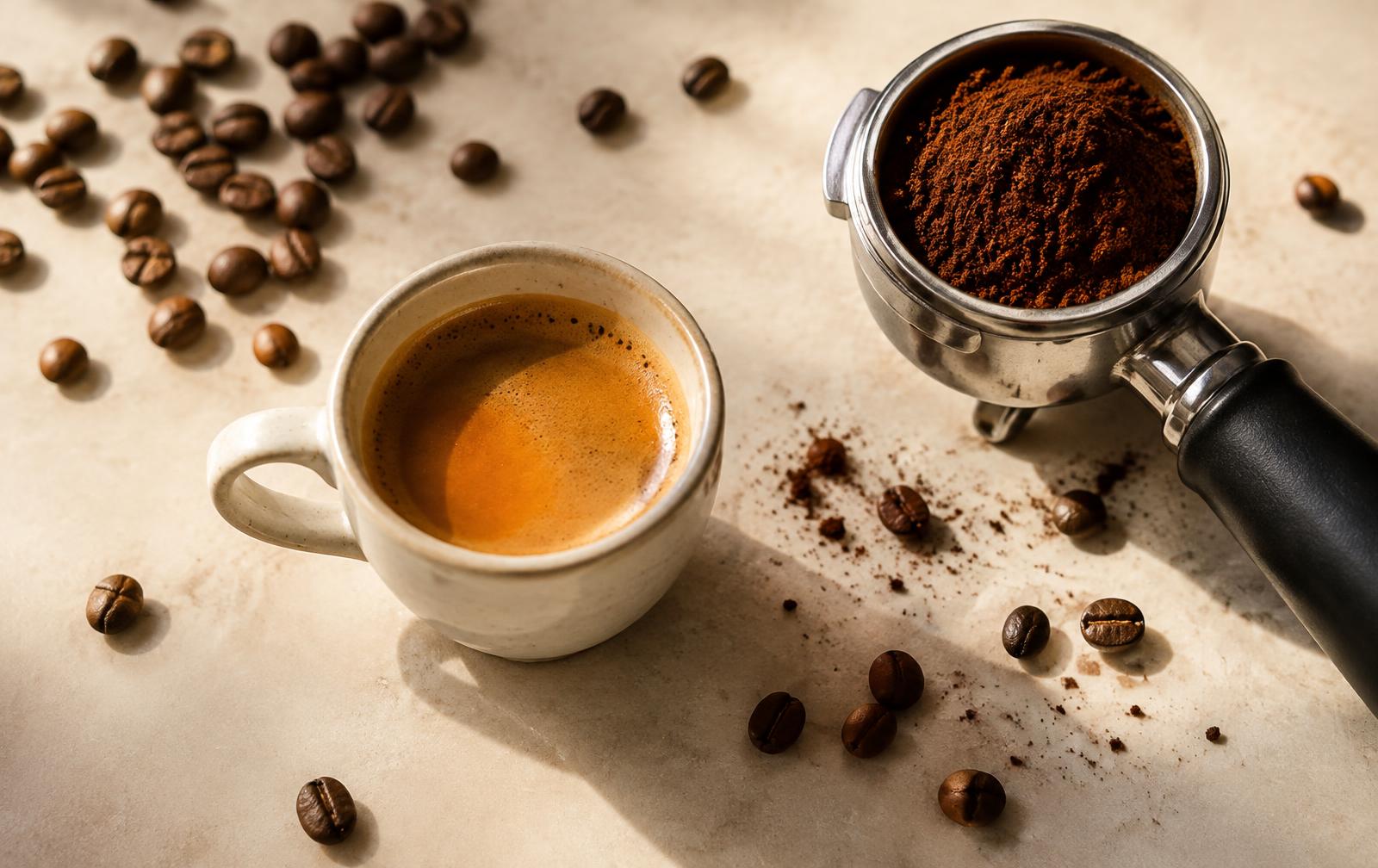
Taste depends on several interacting factors, including the coffee, grind size, dose, water, brewing temperature, extraction and equipment condition. No machine category guarantees a better-tasting result on its own.
What can a bean-to-cup machine produce?
A good bean-to-cup machine can deliver consistent espresso-style coffee with very little preparation. It is particularly convenient if you drink several coffees a day and want broadly similar results each time.
The trade-off is that some machines offer limited control over extraction. Although you can often adjust grind size, strength and drink volume, you may have fewer opportunities to fine-tune every variable than with a manual setup.
What can a manual espresso machine produce?
A manual espresso machine gives you more scope to experiment with grind size, dose, tamping, extraction time and other brewing variables.
With suitable equipment and practice, this control can help you produce espresso tailored to your taste. However, it also means that poor technique or an unsuitable grind can lead to disappointing results.
A manual machine is not necessarily better for a beginner. It simply gives you more control over the process—and more responsibility for the outcome.
Best for consistent, low-effort coffee: Bean-to-cup machines.
Best for experimentation and developing barista skills: Manual espresso machines.
3. Milk Drinks: Lattes, Cappuccinos and Flat Whites
Your preferred drinks should play a major role in your decision.
Automatic milk systems
Some bean-to-cup machines include an automatic milk frother or milk carafe. Depending on the model, the machine can prepare a cappuccino or latte with minimal input.
This is useful if you regularly drink milk-based coffee but do not want to learn how to steam milk manually.
The main consideration is cleaning. Milk systems need regular cleaning to prevent residue build-up and maintain hygiene. Check how easy the milk components are to rinse, remove and clean before buying.
Manual steam wands
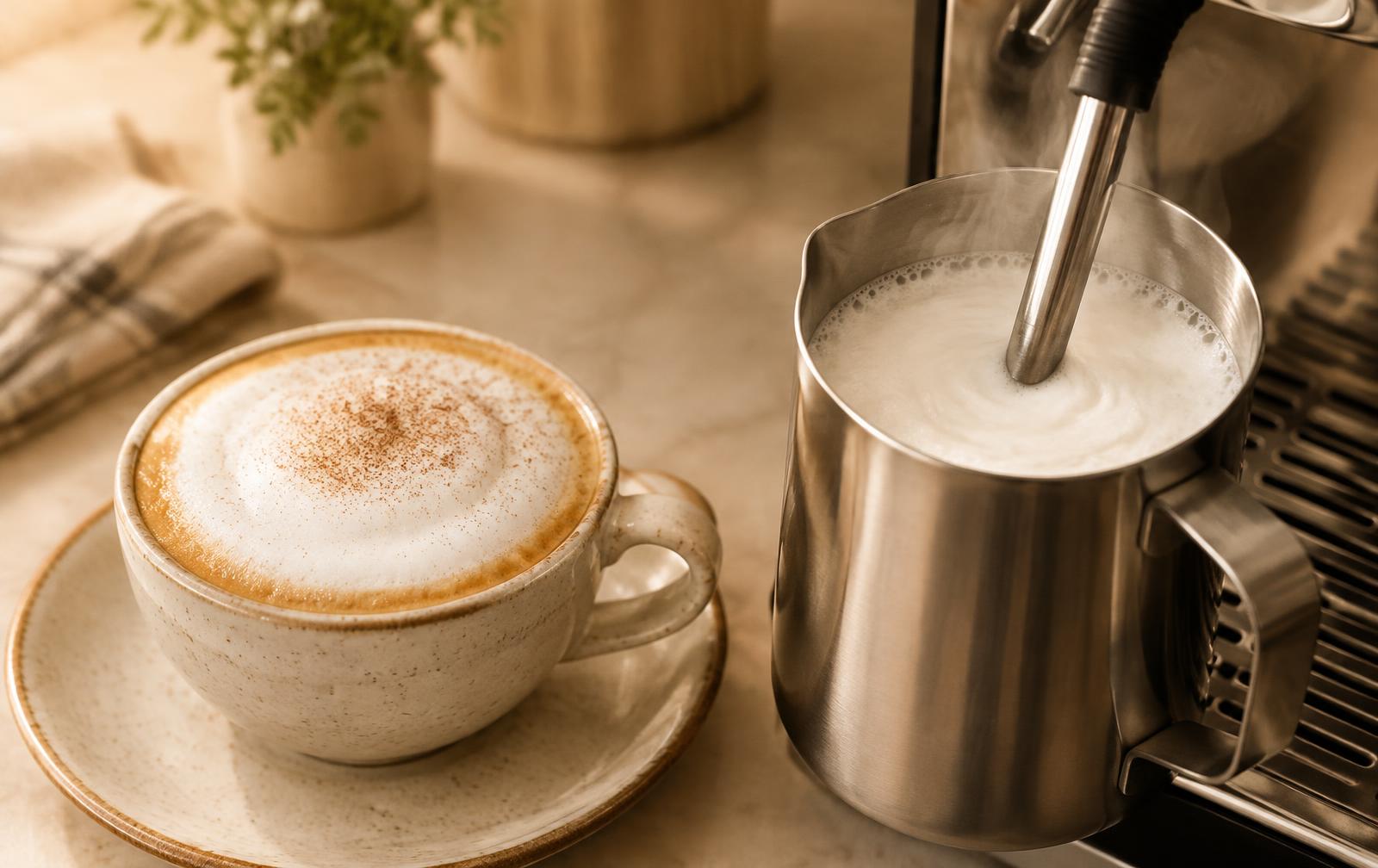
Manual espresso machines commonly use a steam wand to heat and texture milk. With practice, you can control the milk's texture and temperature to suit drinks such as flat whites, cappuccinos and lattes.
However, steaming milk properly takes practice, and you will generally need to clean the wand after each use.
Some bean-to-cup machines also have manual steam wands, so this is not an absolute distinction between the two categories.
Choose automatic milk preparation if speed and simplicity matter most. Choose a manual steam wand if you want greater involvement and control over your milk texture.
4. Cost: Which Offers Better Value for Money?
The purchase price is only one part of the cost of owning a coffee machine.
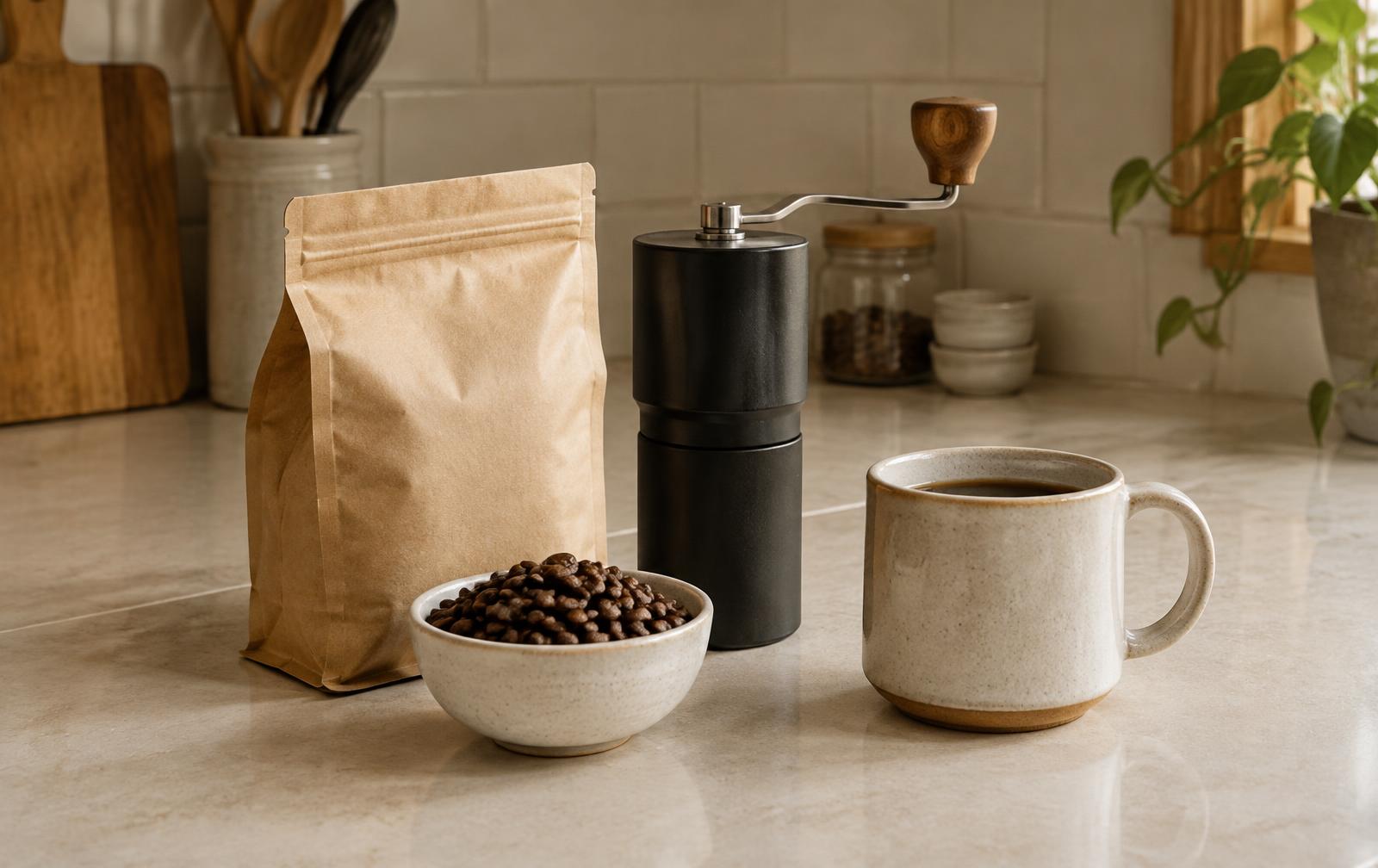
Bean-to-cup machines combine grinding and brewing components, and models with automatic milk systems may include additional mechanisms. Their purchase prices vary widely, so do not assume every bean-to-cup machine costs more than every manual espresso machine.
However, a manual espresso setup may require additional equipment, including a separate grinder, scales, a tamper and accessories. These extras can increase the total cost, particularly if you want consistent results.
When comparing prices, consider the complete setup rather than the machine alone.
Running costs
Both types can use whole coffee beans, so their coffee costs can be similar when the same beans and quantities are used.
Your actual cost per cup depends on the beans you buy, how much coffee you use, the size of each drink and how much coffee is wasted during preparation.
You should also allow for water filters, descaling products, cleaning tablets and replacement parts where required.
Neither machine type is automatically cheaper to own. A basic manual machine may have a low entry price, but a complete setup can cost more than expected. A bean-to-cup machine may cost more upfront but save time and reduce the need for separate equipment.
5. Cleaning and Maintenance
Regular cleaning matters for both machine types. Coffee oils, milk residue and limescale can affect taste, hygiene and performance if they are not dealt with properly.
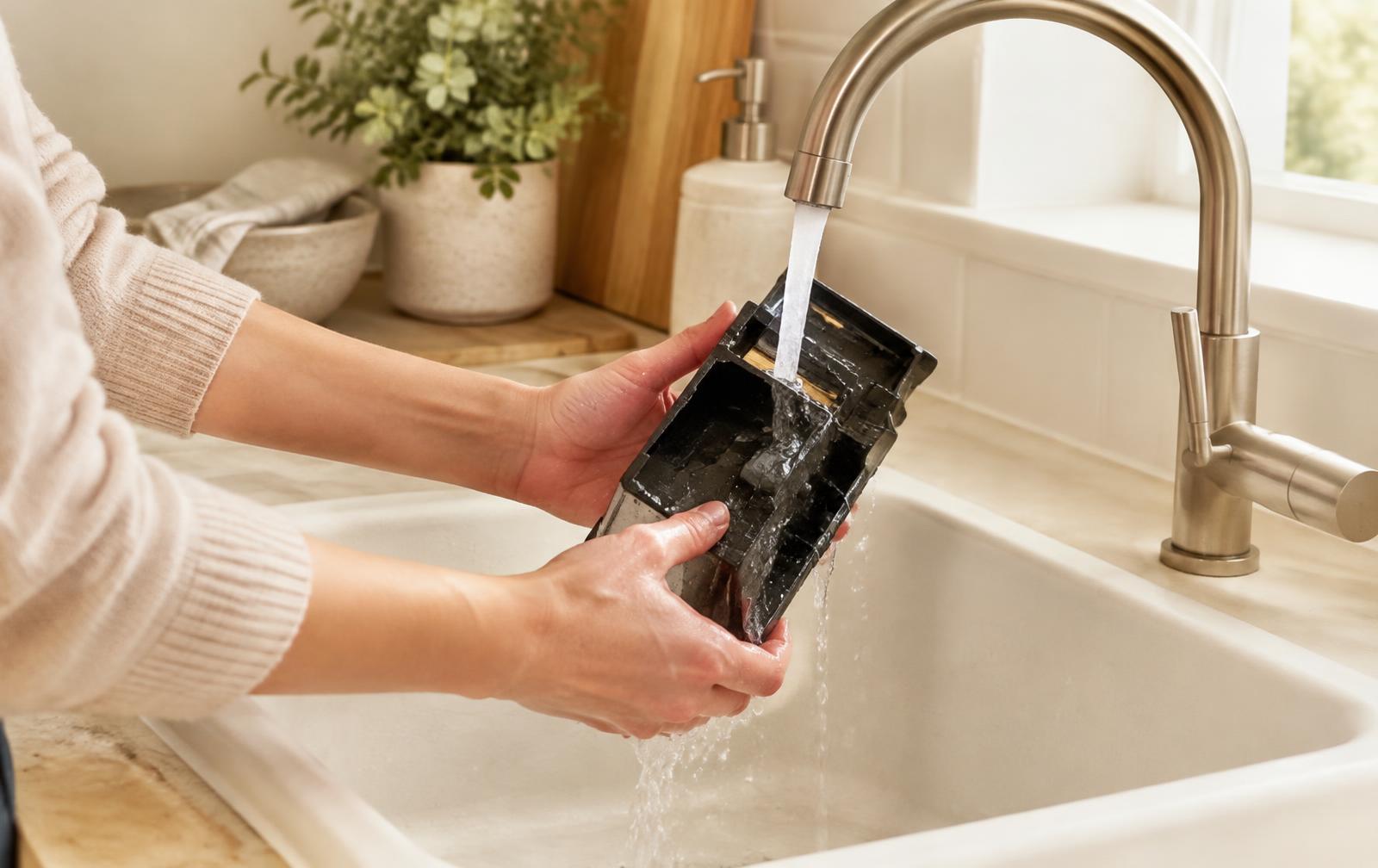
Bean-to-cup maintenance
Depending on the model, routine maintenance may include emptying the used coffee grounds container, rinsing the drip tray, cleaning the brewing unit, descaling when required and replacing water filters.
Machines with automatic milk systems need additional attention. Look for clear cleaning programmes and components that are easy to remove or rinse.
Some machines have removable brewing units, while others use different cleaning arrangements. Check the manufacturer's instructions before making assumptions about maintenance.
Manual espresso machine maintenance
Manual machines commonly require cleaning the portafilter and basket, wiping and purging the steam wand when fitted, emptying the drip tray and following the manufacturer's instructions for the group head. The exact routine varies by machine.
If you use a separate grinder, that will also need occasional cleaning.
Manual preparation can mean more immediate work after each coffee, but the equipment may be relatively straightforward to understand and maintain.
The key question is not which machine never needs cleaning—it is which cleaning routine you are most likely to follow consistently.
6. Size and Kitchen Space
Kitchen space can be a deciding factor, especially if your worktop is already crowded.
Bean-to-cup machines combine several functions in one appliance, but they can be bulky. You will also need room to open bean hoppers, remove water tanks and access containers for used grounds.
Manual espresso machines vary considerably in size. A compact machine may occupy less space, but a separate grinder and accessories can increase the footprint of your setup.
Before buying, check the machine's height, width and depth. Remember to allow extra room for filling the water tank, opening compartments and moving accessories.
If space is limited, compare the dimensions of the complete setup rather than looking at the machine's body alone.
Bean-to-Cup vs Espresso Machines: Comparison Table
| Feature | Bean-to-cup machine | Manual espresso machine |
|---|---|---|
| Ease of use | Usually very easy | Requires practice |
| Grinding | Usually integrated | Separate grinder, or integrated on all-in-one manual machines |
| Brewing control | Varies by model | Generally greater hands-on control |
| Consistency | Automated process helps consistency | Depends more on technique |
| Milk preparation | Automatic or manual, depending on model | Usually manual steam wand |
| Extra equipment | Usually less necessary | A grinder and accessories may be needed |
| Cleaning | Automated cycles may help; still needs routine care | Hands-on cleaning after use |
| Best suited to | Convenience and everyday consistency | Experimentation and barista-style preparation |
Which Type of Coffee Machine Is Best for You?
The right choice depends on what you value most in your daily routine.
Choose a bean-to-cup coffee machine if:
- You want freshly ground coffee at the touch of a button.
- You value speed and convenience.
- Several people in your household drink different types of coffee.
- You want an integrated grinder and fewer separate accessories.
- You prefer automated milk preparation, where available.
Choose a manual espresso machine if:
- You enjoy learning a practical skill.
- You want more control over extraction.
- You like experimenting with different beans and grind settings.
- You enjoy preparing milk manually.
- You are happy to invest time in practice and preparation.
If you want the convenience of automation but still enjoy some control, consider a semi-automatic espresso machine with an integrated grinder. It can offer a middle ground, although the amount of control and automation varies between models.
Frequently Asked Questions
Is bean-to-cup coffee better than espresso?
Not necessarily. Bean-to-cup machines often make espresso-style drinks automatically, while manual espresso machines give you more control over preparation. Taste depends on the beans, machine, settings, water and technique.
Are bean-to-cup machines worth the money?
They can be worth the investment if you regularly drink coffee made from whole beans and value convenience. Consider the purchase price, maintenance requirements and cost of beans before deciding.
Is a manual espresso machine difficult for beginners?
It has a learning curve, but beginners can learn the basics with practice. A suitable grinder, fresh beans and a consistent routine can make the process easier.
Do bean-to-cup machines need a separate grinder?
Usually not. An integrated grinder is one of their defining features. However, you should check the specifications of any machine you are considering.
Which machine is better for lattes and cappuccinos?
Either can work well. A bean-to-cup model with an automatic milk system prioritises convenience, while a manual espresso machine with a steam wand offers more hands-on control over milk texture.
Which is cheaper to run?
There is no universal winner. Coffee costs depend on the beans and quantities used, while maintenance costs depend on the machine and its requirements. Compare the complete ownership costs rather than just the initial price.
Final Verdict: Bean-to-Cup or Manual Espresso?
For most people who want freshly ground coffee with minimal effort, a bean-to-cup machine is a practical choice. It combines grinding and brewing in one appliance and can make everyday coffee preparation straightforward.
A manual espresso machine is better suited to people who enjoy the process as much as the drink. It offers more opportunities to develop barista skills and fine-tune the result, but it requires more time and practice.
Before choosing, think about your preferred drinks, available kitchen space, total budget and willingness to clean and maintain the equipment.
Still unsure which type suits your routine? Start by deciding whether convenience or hands-on control matters more to you. Once you know that, comparing machines becomes much easier.
CoffeeMachineFinder.co.uk is being developed to help UK buyers understand their options and compare coffee machines by type, features and value. Explore our coffee machine guides and use our Coffee Machine Finder when available to narrow down the type of machine that suits your needs.
Sources and Further Reading
General background used when preparing this guide. These sources do not endorse CoffeeMachineFinder.co.uk, and we have not tested machines ourselves. Features and maintenance vary by model, so always check the manual for the exact machine.